Short-read genome and exome sequencing, the current state of the art in clinical genetics, can detect a broad spectrum of genetic variants across the genome. However, despite these advancements, more than half of individuals with rare diseases remain undiagnosed after genomic investigations. Long-read whole-genome sequencing (LR-WGS) is a promising technology that identifies previously difficult-to-detect variants while also enabling phasing and methylation analysis and has the potential of generating complete personal assemblies.
Haorui Genomics leverages Single Molecule Real Time (SMRT) technology—the gold standard in third-generation sequencing—to deliver a proprietary Long-Read Whole Genome Sequencing solution. By combining ultra-long reads (30kb–100kb), high accuracy (>99.999%), GC-bias-free coverage, and single-molecule resolution, our platform comprehensively detects complex genetic variations. This solution is specifically engineered to provide definitive diagnostic answers for patients with complex and undiagnosed genetic disorders.
Workflow
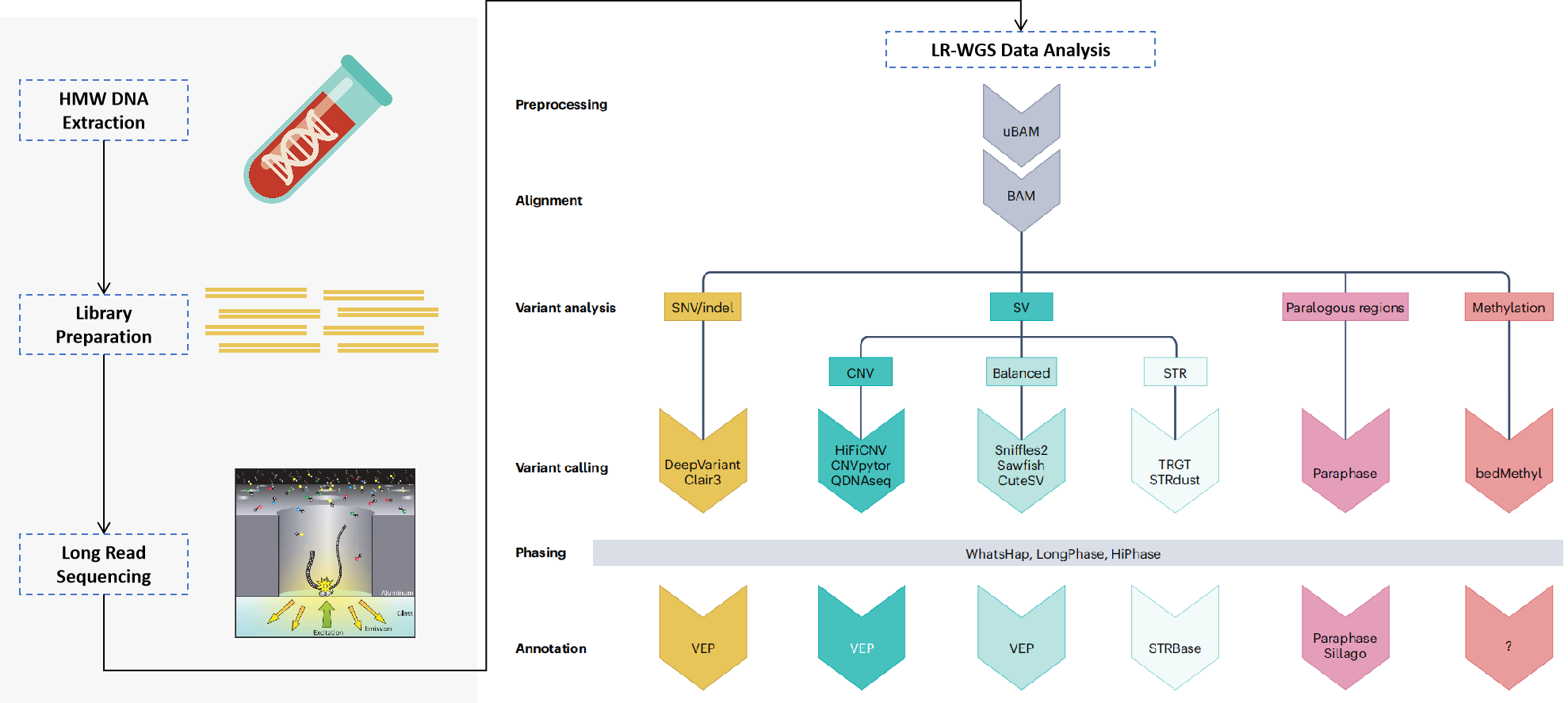
Benefits of LR-WGS in clinical diagnostics
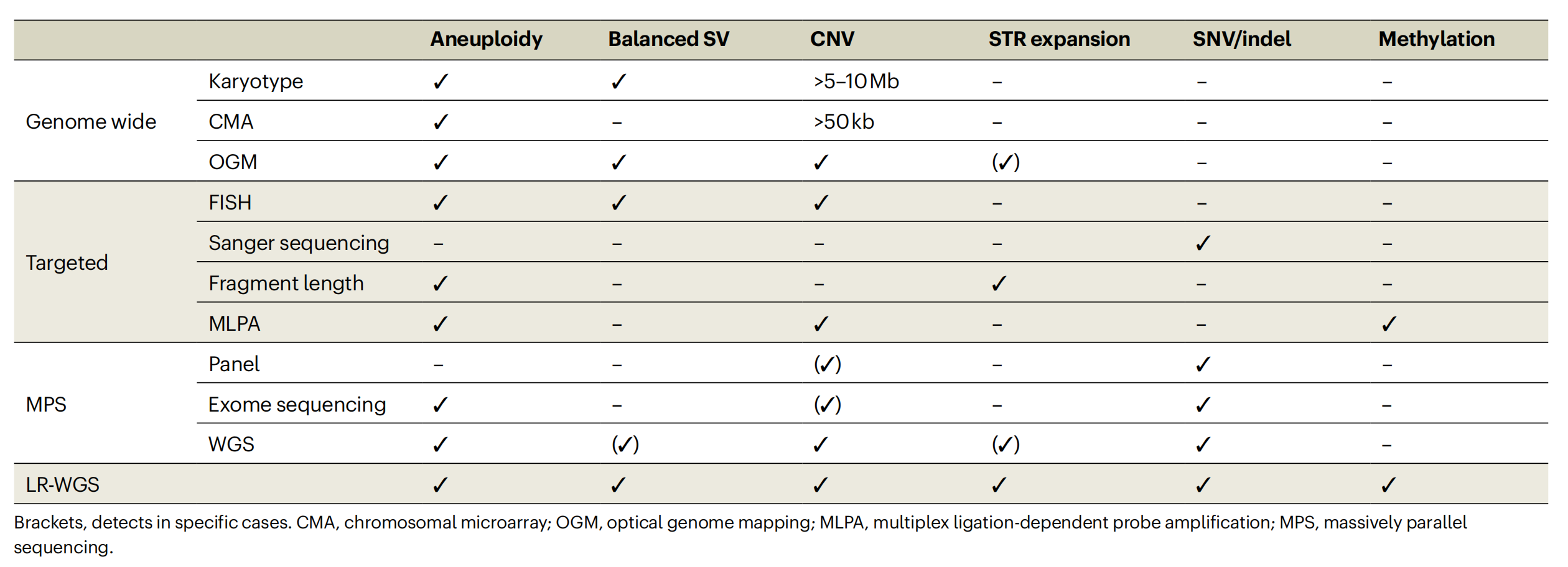
Eisfeldt J, Ek M, Nordenskjöld M, Lindstrand A. Toward clinical long-read genome sequencing for rare diseases. Nat Genet. 2025 Jun;57(6):1334-1343.
Testing Population
Undiagnosed Genetic Conditions: Cases strongly suspected of genetic etiology but negative via standard testing methods.
Complex Genomic Regions: Targeted analysis of genes complicated by high homology or pseudogene interference.
Repeat Expansion Disorders: Detection of pathogenic Short Tandem Repeat (STR) expansions.
Variant Phasing: Haplotype analysis to resolve cis/trans configuration, essential for characterizing recessive disorders.
Structural Variations: Comprehensive identification of structural variants (SVs) and complex genomic rearrangements.
Imprinting Disorders: Characterization of imprinting defects and associated methylation anomalies.
General Diagnostics: Definitive molecular diagnosis for patients requiring comprehensive genetic resolution.


 WeChat QR Code