
Break the Ambiguity. Resolve with Confidence.
Powered by Long-Read Sequencing
AltruType® Long-Read HLA Genotyping is a complete sample-to-report HLA typing solution powered by PacBio HiFi sequencing. Designed for ease of use and operational efficiency, AltruType® delivers high-resolution results up to 8- digit with gold-standard accuracy and unambiguous allele calls, all from a single streamlined workflow.
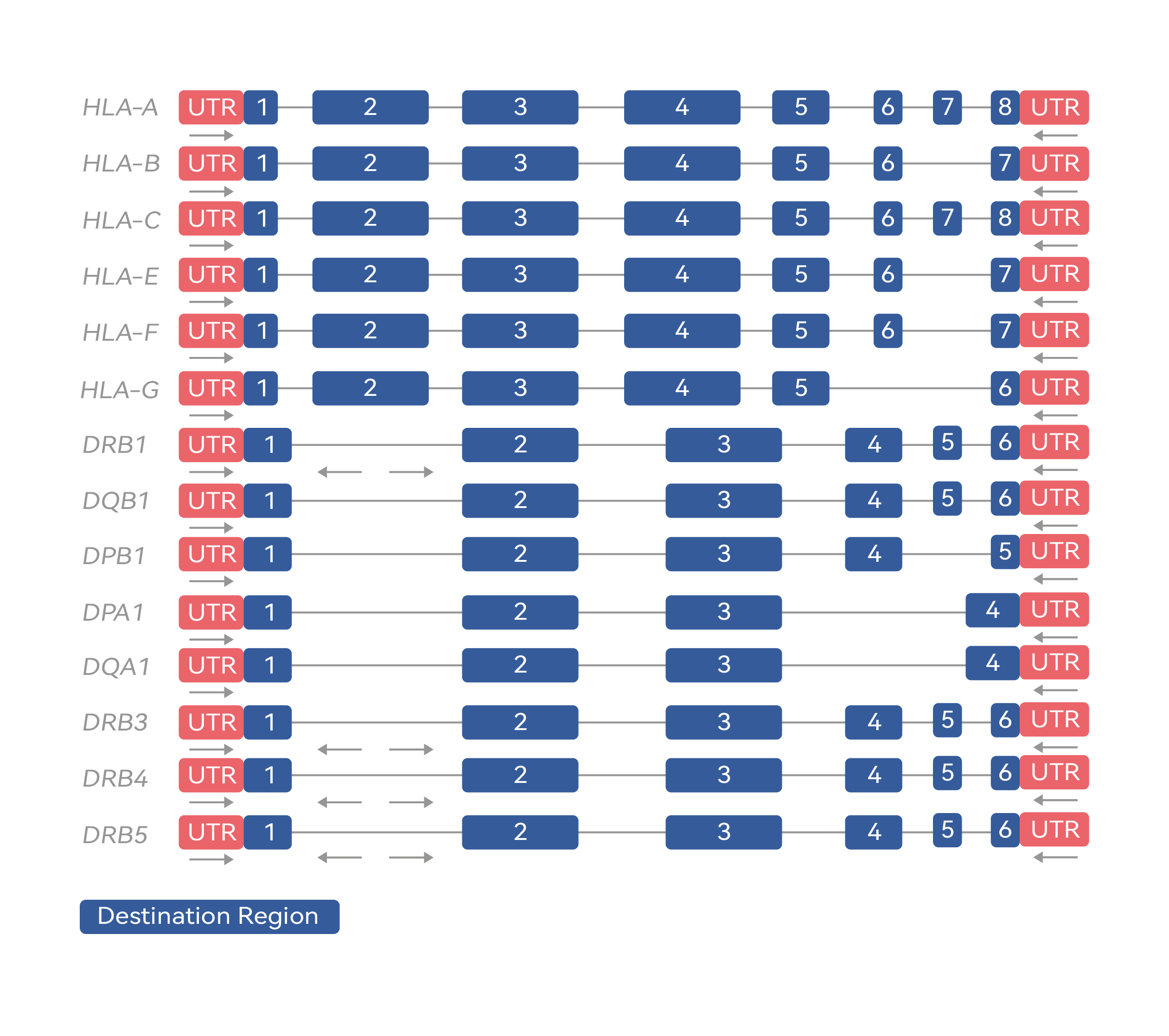
Product Highlights
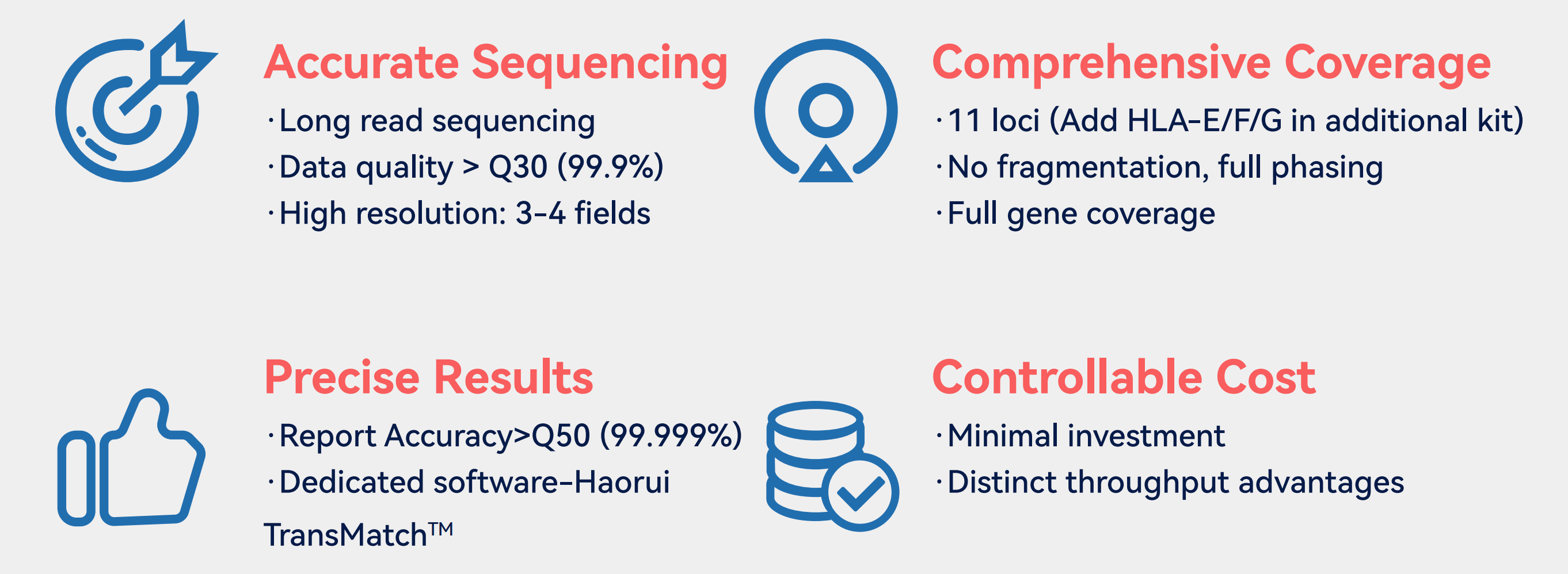
Scalable and Unified Workflow
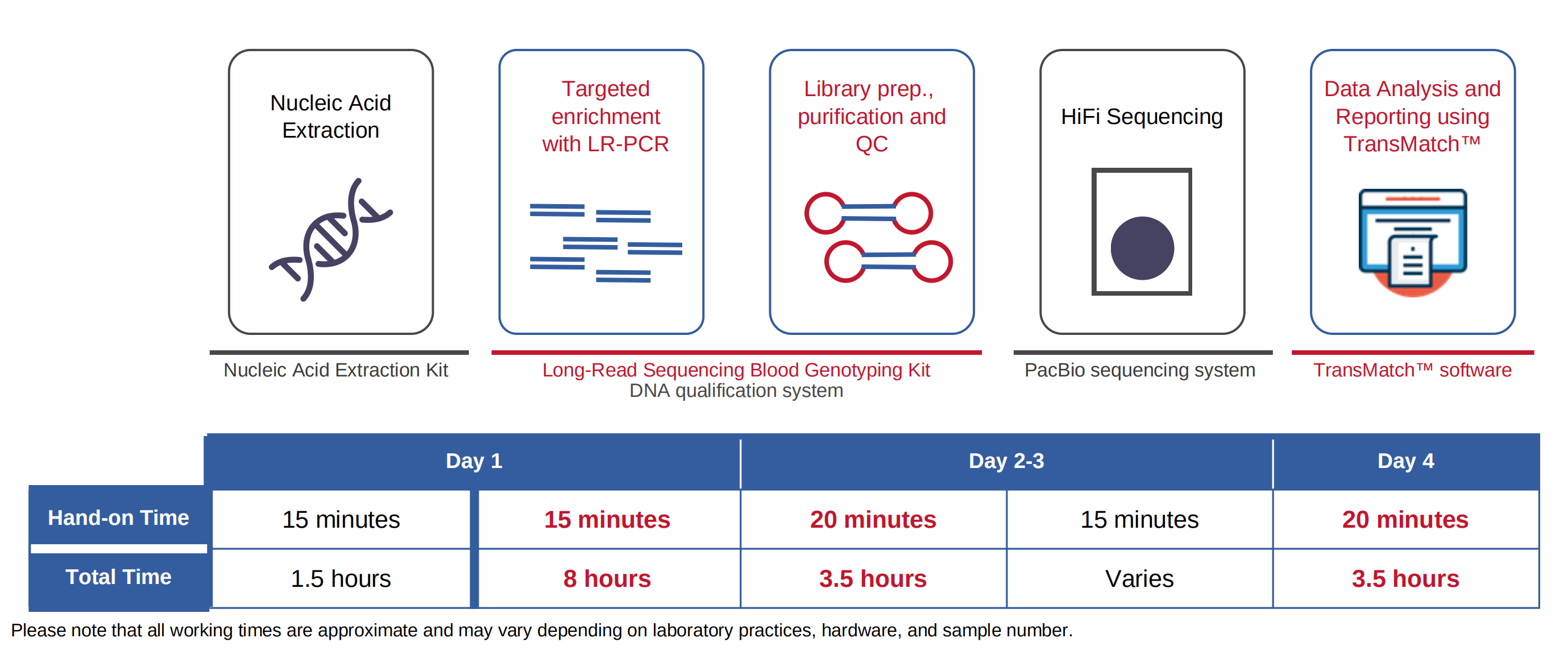
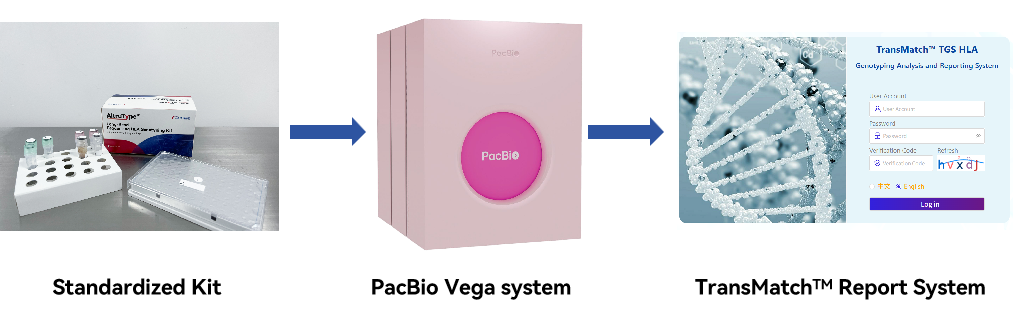
End-to-end Solutions
Application Areas
AltruType® enables optimal donor selection for related, unrelated, and cord blood donors. Our high-resolution data supports precise assessment of permissible HLA mismatches, detection of HLA locus loss, and evaluation of donor-specific antibodies to ensure the best possible donor-recipient pairing.
With over 500 diseases linked to HLA variation, AltruType® identifies disease susceptibility markers at the single-nucleotide level. For example, it distinguishes ankylosing spondylitis-risk alleles (B*27:04/05/02/07) from non-risk variants (B*27:06/09) and identifies HLA-C*06:02 carriers who show ~90% response to ustekinumab for psoriasis versus 65% in non-carriers.
Aligned with FDA and CPIC guidelines, AltruType® screens for high-risk HLA alleles prior to drug administration to prevent severe adverse reactions. Key applications include:
HLA-B*15:02/HLA-A*31:01 screening before carbamazepine use to avoid Stevens-Johnson syndrome/toxic epidermal necrolysis
HLA-B*58:01 testing before allopurinol prescription
HLA-B*57:01 screening before abacavir initiation
AltruType® minimizes febrile non-hemolytic transfusion reactions by matching donor-recipient HLA genotypes. This is especially critical for chronically transfused patients (e.g., thalassemia), where HLA-matched platelet transfusions significantly improve safety and tolerance.
AltruType® assesses HLA compatibility between couples to identify causes of recurrent pregnancy loss. When parental HLA similarity is too high, insufficient maternal blocking antibodies increase rejection risk. Our testing guides personalized immunotherapy, shortening treatment timelines and improving pregnancy success rates.


 WeChat QR Code